

One of the best strategies for long-term company expansion and financial gains is to invest in industrial real estate. The demand for industrial plots is rapidly rising due to the fast growth of industrial hubs close to Delhi NCR and cities like Sonipat.
However, purchasing industrial real estate necessitates careful planning, legal confirmation, and strategic decision-making in addition to picking a plot of land. A minor error may result in decreased returns, delays, or legal problems.
Here is a comprehensive checklist you should use before purchasing industrial property to help you make a secure and profitable investment.
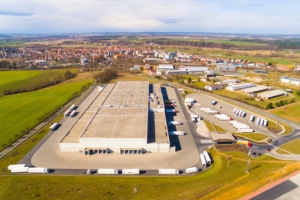
Location & Connectivity Check
The cornerstones of a profitable industrial property investment are location and connectivity. Better business efficiency, quicker transportation, and seamless daily operations are all guaranteed by a strategically placed industrial plot. When selecting a property, it’s crucial to consider how close it is to important industrial corridors, major highways, and expressways. Profitability is directly impacted by lower transportation costs and delivery times, which are facilitated by easy access to nearby markets and cities like Delhi.
Access to ports, logistics hubs, and railroads is another aspect of good connectivity that facilitates supply chain management. For the transportation of heavy machinery and vehicles, the industrial area needs both wide roads and adequate internal infrastructure.
A well-connected location also draws more industries, which raises demand and increases the property’s potential value. Long-term returns are frequently higher in areas with impending infrastructure projects, such as industrial zones or new highways.
To put it simply, your company’s operations will run more smoothly and your chances of long-term growth and profit will increase with improved location and connectivity.
Legal Verification
One of the most crucial steps in purchasing industrial real estate is legal verification, which shields you from potential legal issues and financial hazards. Make sure the land has a clear and marketable title—that is, that the seller has complete legal ownership and the right to sell the property—before completing any transaction. To ensure there are no prior disputes or claims pertaining to the land, always review the ownership history.
Verifying that the property is officially designated for industrial use and has all required government approvals is also crucial. Purchasing land without the appropriate zoning approval may result in legal issues or even limitations on the property’s ability to be used for commercial purposes.
Additionally, look for any liens, loans, or unpaid bills associated with the property. Later on, there may be major issues if the land is subject to a loan or dispute. It is important to thoroughly examine important documents such as land records, sale deeds, and local authority approvals.
Many buyers would rather speak with a property advisor or legal expert who can thoroughly verify all documents to ensure total safety. To put it simply, appropriate legal verification guarantees that your investment is safe, authentic, and risk-free.
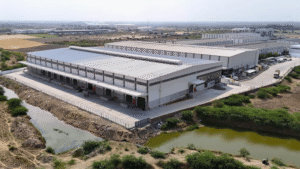
Infrastructure
An industrial property’s usability and value are directly impacted by its infrastructure. All the essential amenities needed for efficient business operations should be present in a well-developed industrial plot. Wide internal roads, which facilitate the quick and easy movement of trucks, equipment, and goods, are among the most crucial components.
While adequate water availability supports both industrial processes and workforce needs, a steady supply of electricity is necessary for operating machinery and daily operations. Maintaining a clean workplace and avoiding waterlogging also depend on an effective drainage system.
The location’s efficiency is further increased by adjacent facilities such as transportation services, logistics hubs, and warehouses in addition to basic utilities. Strong infrastructure draws more businesses to industrial areas, increasing demand and improving property value appreciation over time.
Conversely, inadequate infrastructure can raise expenses, make operations more difficult, and lower overall productivity. Therefore, always make sure the industrial property is situated in a well-planned area with full infrastructure support before making an investment.
Plot Size & Layout
For your business to run smoothly and grow in the future, you must choose the proper plot size and layout. The industrial plot’s size should accommodate both your present needs and future growth. A well-sized plot offers flexibility for future development, whereas a plot that is too small may restrict your operations.
The plot’s arrangement is equally crucial. Effective use of space for factory construction, storage areas, loading and unloading zones, and vehicle movement is ensured by a well-planned layout. There should be enough room for parking as well as easy access and departure for large vehicles.
In addition to increasing operational effectiveness, a well-designed layout minimizes needless movement and ultimately saves money and time. Plots with improved road access and shape are also typically easier to develop and more valuable.
To put it simply, choosing the appropriate plot size and layout enables you to manage your business effectively now while setting yourself up for future growth and increased profits.
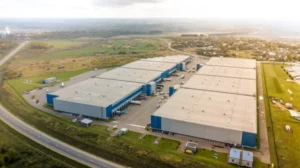
Site Visit
Going to look at the property before you sign off on an industrial property deal is important because brochures and web pages may look great but often do not tell the full story of what you’re buying. By personally visiting the site, you will get to see where it is located, what the surrounding conditions are, and what the overall condition of that property looks like.
While visiting a site, there are a number of things you want to check for as far as access roads, access to basic utilities, and access for heavy trucks. Also while visiting the site you will want to check out what, if any, other developments exist around it, what type of industries are located near the site and what the area does for the environment.
Next is to verify that the boundaries of the site match the documents you received when you purchased it. Check for any encroachments or accessibility issues that you can see. Speaking with people that are close to the property, such as the owner and/or workers at nearby businesses can also give you some insight regarding the area.
A proper site visit will provide you with the assurance that you have made the correct investment decision and will give you the confidence to go forward with your purchase. Simply put, by seeing the actual property you are buying, you will be assured of total transparency with the property you’re purchasing and assist you in making a safe and well-informed decision.
Trusted Consultant
If you’re considering purchasing an industrial property, working with an expert consultant is critical to making this entire process smooth and safe. An experienced real estate agent has extensive knowledge of the market, locations, pricing trends, legal procedures, etc., and will help you reach your best decision.
A good real estate consultant will assist you in identifying and purchasing the proper property, based on your needs and budget. They can also assist you in verifying documents, checking to ensure there are clear title(s) at closing, and ensuring that the property is not at risk for any reason, therefore saving you from making expensive mistakes and finding any unknown risks.
In addition, many consultants have access to some of the best deals and new opportunities that they have access to before they are listed on the market for sale. They can assist with negotiations, obtaining the best value for your investment.
Working with an experienced and reliable real estate consultant will help you save time and money and give you confidence that your investment is in the hands of someone who knows what they’re doing.