
Industrial investment goes beyond finding an affordable piece of land. Ultimately, how well your industrial investment performs is determined by its location. A good location will increase the property’s potential value; generate more potential rental income; and attract top-tier companies to locate to the area.
Conversely, a poor location will slow your industrial investment’s growth rate and decrease your profit margin.
In today’s rapidly growing industrial real estate market, and especially in regions adjacent to New Delhi-NCR or Sonipat, the importance of location as a factor in maximizing long-term returns on investment, cannot be overemphasized. Let us examine in more detail
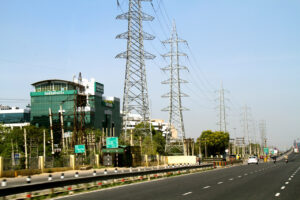
Connectivity to Highways and Transport
To have a successful industrial business, establishing quick connections using various modes of transportation is critical to the success of factories and warehouses moving materials from suppliers to the factory and from the factory to customers.
A factory or warehouse benefits from good transportation connectivity by accessing the following transportation systems:
≠ Rapid Rail Transit systems (RRTS)
Cost-effective transportation results in increased profits for businesses; therefore, businesses often locate their facilities near large highways and logistics centers. Because there is a constant demand for sites located in these areas, investors benefit as well.
Infrastructure Development Increases Property Value
Industrial investment relies on many aspects including location, as well as the following three characteristics.
1. A large road surface area to accommodate the large amount of traffic generated by the movement of goods.
2. An adequate drainage system to avoid flooding and erosion.
3. Access to reliable sources of electricity and water supply.
If the government is providing funding to build facilities, prices will go up before construction begins due to increased demand for real estate. Therefore, it is wise for an investor looking for long-term returns to conduct research while considering when to purchase land in an area that has been designated for Industrial Development.
Nearness to Markets and Business Hubs
Businesses generally tend to establish themselves in closer proximity to large consumer markets. For instance, Delhi NCR is an area with significant industrial attraction due to its:
– Large customer base
– Convenience of supply chain logistics
– Reduced delivery times
– Lower costs for logistics
Moreover, with manufacturers operating in major urban centres, they can increase their operational efficiency due to reduced travel times and fuel consumption, which has an impact on overall business profitability. Therefore, this represents a stable source of rental payments to investors and long-term investor demand for industrial properties.
Government Policies and Industrial Corridors
A large number of governments advocate for industrialisation by creating special industrial zones or corridors, which provide the following advantages:
Tax Incentives
Grant Programs
Accelerated Approval Timelines
Greater Availability of Infrastructure
When your industrial property is situated in a government-approved industrial zone, the risk factor decreases significantly. As a result, numerous large firms and manufacturing operations will be attracted to these types of areas over time, thus ultimately increasing both the resale and rental value of your property.
Workforce Availability and Social Infrastructure
The manufacturing industry requires unskilled and skilled labour. Industrial locations should have access to:
Commercial development
Public transportation
Apprenticeship/Internship program opportunities
The ease of transportation between workers, manufacturers and end users is important for productive business performance. As a result of reduced transportation costs, potential tenants and purchasers will find industrial real estate more appealing, thereby increasing demand for available inventory.
Long-Term Growth and Future Appreciation
Location decides future growth. Areas near upcoming highways, freight corridors, metro lines, or industrial projects usually see strong price growth.
Industrial property is a long-term investment. When you choose the right location today, you secure:
✔ Higher resale value
✔ Better rental returns
✔ Strong demand
✔ Low vacancy risk
Smart investors do not only see the present condition. They analyze future development plans before investing.
Conclusion
Location is essential for industrial investments. Price may catch your eye first but ultimately determine whether or not you’ll be successful.
An industrial site with good connectivity, meeting federal government requirements and with access to major markets provides:
Strong Demand for Business
High Rates of Appreciation
Stable Income through Rents
Long-term Financial Growth
Researching Connectivity, Infrastructure, Government Plans & Market Demand before purchasing any industrial property is important. A good industrial property location will produce excellent investment returns over time.