

Buying a property is one of the biggest financial decisions in life, and understanding the Step-by-Step Property Registration Process Explained is essential to ensure a smooth and secure transaction. Many buyers overlook legal procedures, which can lead to complications later. This guide on Step-by-Step Property Registration Process Explained will help you understand each stage clearly and confidently.
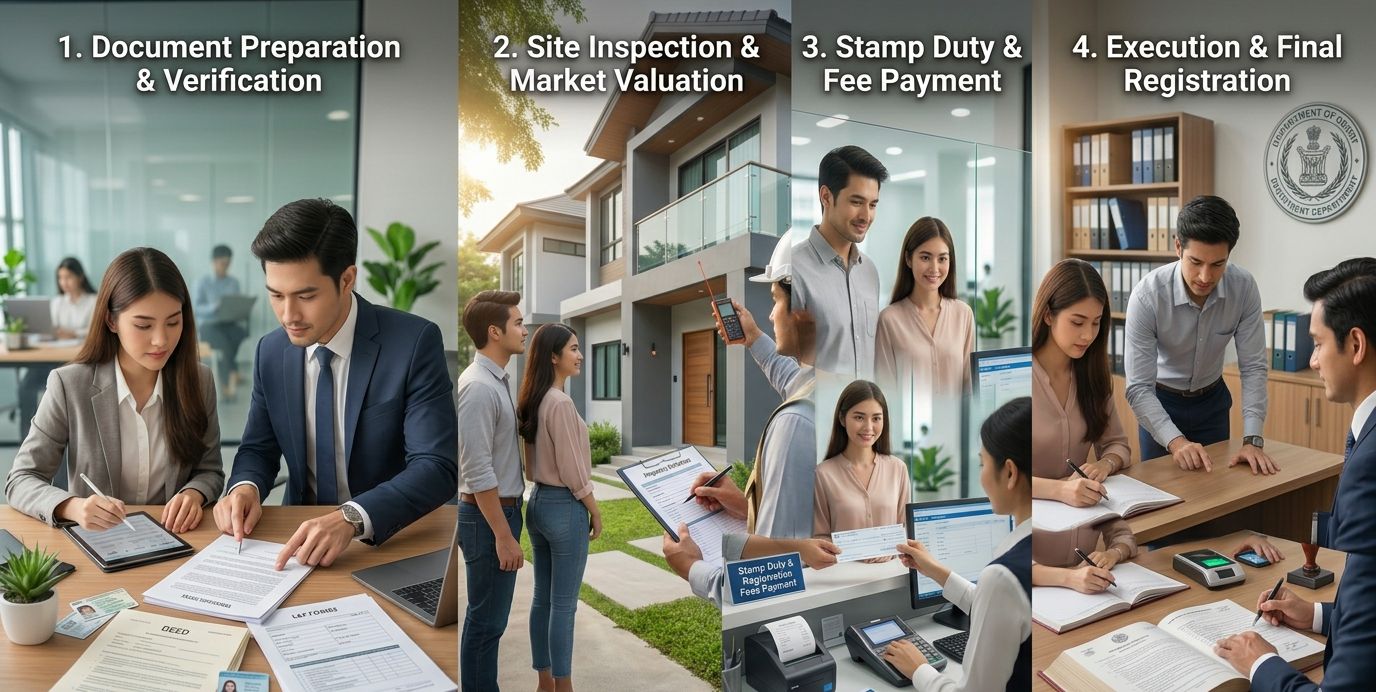
Verification of Property Documents
The first and most crucial step in the Step-by-Step Property Registration Process Explained is verifying all property-related documents. Before proceeding with any transaction, ensure that the seller has clear ownership and legal rights to sell the property. Important documents include the title deed, sale deed, encumbrance certificate, and approved building plans (if applicable).
Buyers must carefully check whether the property is free from any legal disputes, unpaid loans, or liabilities. This step helps in avoiding future conflicts and ensures that the investment is safe. Consulting a legal expert during this stage can add an extra layer of security.
In the Step-by-Step Property Registration Process Explained, document verification acts as the foundation of the entire process. Skipping this step or doing it carelessly can lead to serious legal and financial risks. Therefore, always take your time to review documents thoroughly and confirm their authenticity before moving ahead.
Drafting the Sale Agreement
The next stage in the Step-by-Step Property Registration Process Explained is drafting the sale agreement. This agreement is a legal document that outlines the terms and conditions agreed upon by both the buyer and the seller. It includes details such as property price, payment schedule, possession date, and any penalties for delays.
The sale agreement acts as a commitment between both parties and is usually prepared on stamp paper. It also mentions advance payment details, which are typically paid at this stage as a token of confirmation. Both parties must read and understand every clause before signing the document.
In the Step-by-Step Property Registration Process Explained, this step ensures transparency and reduces the chances of disputes later. A well-drafted agreement protects both buyer and seller by clearly defining expectations and responsibilities. It is always recommended to have this document reviewed by a professional to avoid hidden issues.
Payment of Stamp Duty and Registration Charges
One of the most important financial steps in the Step-by-Step Property Registration Process Explained is paying stamp duty and registration charges. These charges vary from state to state and are calculated based on the property value or circle rate, whichever is higher.
Stamp duty is a government tax that makes the transaction legally valid, while registration charges cover the cost of officially recording the property in government records. These payments are usually made online or through authorized banks before the registration appointment.
In the Step-by-Step Property Registration Process Explained, timely payment of these charges is essential to proceed further. Failure to pay the correct amount can delay the process or even invalidate the transaction. Keeping receipts and proof of payment is equally important, as they will be required during the registration process.
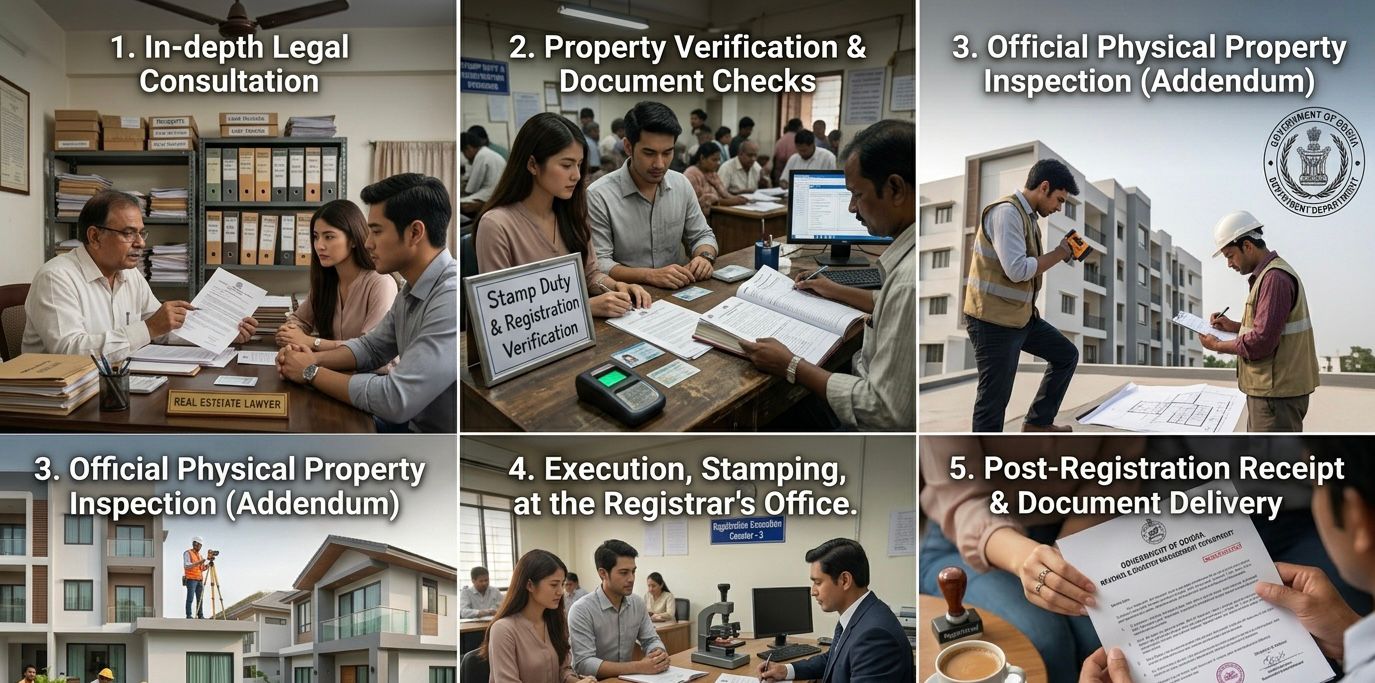
Appointment at the Sub-Registrar Office
The next phase in the Step-by-Step Property Registration Process Explained involves visiting the Sub-Registrar Office. Both buyer and seller must be physically present on the scheduled date along with two witnesses. All original documents, identity proofs, and payment receipts should be carried.
At the office, the documents are verified by the authorities, and biometric verification (fingerprints and photographs) is conducted. This step ensures that the transaction is genuine and legally binding. The presence of witnesses further strengthens the legality of the deal.
In the Step-by-Step Property Registration Process Explained, this step formalizes the transaction in front of government officials. It is important to double-check all documents before the visit to avoid last-minute issues. Proper preparation can make this step quick and hassle-free.
Execution and Registration of Sale Deed
The core step in the Step-by-Step Property Registration Process Explained is the execution of the sale deed. This is the final legal document that transfers ownership from the seller to the buyer. Once both parties sign the sale deed in the presence of the Sub-Registrar, the property is officially registered.
After signing, the registrar records the transaction and assigns a unique registration number. This document serves as legal proof of ownership and is essential for all future property-related activities.
In the Step-by-Step Property Registration Process Explained, this step marks the completion of the legal transfer process. Ensuring accuracy in the sale deed is extremely important, as any errors can create complications later. Always review the document carefully before signing.
Collection of Registered Documents
The final stage in the Step-by-Step Property Registration Process Explained is collecting the registered documents. After the registration process is complete, the buyer receives the officially registered sale deed, either physically or digitally.
This document confirms that the property is now legally owned by the buyer. It is important to store it safely, as it will be required for future transactions, loans, or resale. In many cases, a digital copy is also available on government portals for easy access.
In the Step-by-Step Property Registration Process Explained, this step concludes the entire process. However, buyers should also ensure that property records are updated in local municipal authorities and utility departments.
Conclusion
Understanding the Step-by-Step Property Registration Process Explained helps buyers make informed decisions and avoid unnecessary risks. Each step, from document verification to final registration, plays a crucial role in securing your investment.
By following this Step-by-Step Property Registration Process Explained, you can ensure a smooth, transparent, and legally sound property transaction. Whether you are a first-time buyer or an experienced investor, having proper knowledge of the process will always work in your favor.